diamondcutandcore-com.preview-domain.com

Is Core Drilling Right for Your Project? A Comprehensive Look

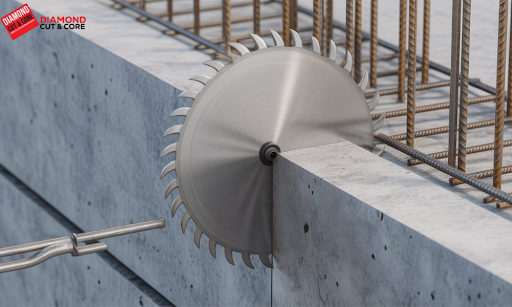
You’ve got a concrete cutting project ahead, and you’re stuck between two methods: wall sawing or wire sawing. Which one should you choose? The answer isn’t as simple as “one is better.” It depends on your specific job – the thickness of your concrete, how much space you have, and what your budget looks like. Let’s analyze both methods so you can make the right decision for your project. What Do You Really Choose Between? Before we get into the technical things, let’s clarify what these methods actually are. Wall tiles are just the way it sounds. Imagine a giant circular saw blade – we talk up to 80 inches in diameter – mounted on a track system that runs along the wall or floor. The blade spins at high speed, cuts through concrete like a warm knife … well, very hard butter. It’s direct, it’s powerful, and it’s been the go-to method for decades. Wire sawing is more like using a very aggressive cheese wire. A diamond-coated wire loops around the concrete section you want to remove, and as it moves back and forth at high speed, it gradually cuts through. Think of it as death by a thousand cuts, except way faster and much more controlled. Both methods use diamond-impregnated cutting tools because, let’s face it, you’re not getting through reinforced concrete with anything less aggressive. When Wall Sawing Is Your Best Friend You need wall sawing when you’re dealing with straightforward cuts that don’t require circus-level flexibility. Here’s when it shines: You Have Clear, Accessible Walls If your concrete wall is standing proud and you can access at least one side, wall sawing is probably your winner. It’s fast, efficient, and gets the job done without overthinking it. Companies like Diamond Cut and Core use advanced electric and hydraulic wall saws that can cut up to 36 inches deep—that’s nearly a meter of solid concrete. Your Budget Is Talking Let’s not dance around it: A wall sawing equipment is generally more cost-effective for standard projects. The equipment is less complex, the setup time is shorter, and you’re not paying for the specialized expertise that wire sawing demands. If your project is straightforward, why pay for complexity you don’t need? You Need Speed Wall saws can remove material quickly, especially for vertical or horizontal cuts. If you’re racing against the clock—maybe you’ve got a construction crew waiting to start the next phase—wall sawing keeps things moving. Time is money, and this method respects both. The Limitations You Can’t Ignore Here’s where you need to be honest with yourself: wall sawing has limits. You can only cut as deep as your blade diameter allows (usually maxing out around 36 inches for most projects). If you’re working in a tight corner, or you need to make a cut at a weird angle, or you’re dealing with extremely thick sections, you’re going to struggle. One contractor on a construction forum put it bluntly: “Wall sawing is like a reliable sedan. Gets you where you need to go, but don’t expect it to go off-road.” When Wire Sawing Becomes Your Hero Wire sawing is the special force of concrete cutting. It’s more expensive, more technical, but when you need it, nothing else will do. You’re Dealing With Massive Structures Wire sawing can cut through virtually unlimited thickness. We’re talking bridge sections, thick foundation walls, underwater structures—things that would laugh at a wall saw. The diamond wire loops around the section, and as long as you can position the pulleys, you can make the cut. Your Space Is Impossibly Tight Got a concrete column in a basement with two feet of clearance on all sides? Wire sawing doesn’t care. The wire is flexible and can snake into spaces where you couldn’t even fit a wall saw’s track system. This is why it’s the method of choice for renovation projects in existing buildings where access is nightmare-level difficult. You Need Surgical Precision When you’re working near sensitive structures—underground utilities, existing building foundations, or areas where vibration could cause damage—wire sawing is gentler. The cutting action produces less vibration and shock compared to the aggressive spinning blade of a wall saw. Weird Angles and Complex Cuts Need to cut at a 45-degree angle? Remove a curved section? Cut both horizontally and vertically in one go? Wire sawing’s flexibility makes it possible. The wire can be positioned at virtually any angle, giving you options that rigid wall saws simply can’t match. The Trade-Offs You’ll Face Here’s the reality check: wire sawing is slower and more expensive. The setup is more complex, you need highly trained operators, and the equipment itself costs more to run. One structural engineer told me, “Wire sawing is brilliant, but you better have a good reason to use it because you’re going to feel it in your budget.” The Decision Framework You Actually Need Stop trying to find the “best” method in general. Start asking yourself these specific questions: How thick is your concrete? Under 36 inches? Wall sawing is probably fine. Beyond that? You’re wire sawing territory. What’s your access situation? Can you roll a track-mounted saw up to it? Wall saw. Squeezed into a tight corner? Wire saw. What’s your timeline vs. budget? Tight budget and reasonable time? Wall saw. Tight space and need it done regardless of cost? Wire saw. How complex is the cut? Straight lines and standard depths? Wall saw. Curved sections, extreme depths, or awkward angles? Wire saw. Real-World Hybrid Thinking Here is something most people do not understand: You are not always firm to choose just one method for the entire project. Smart contractors perform wall cutting for available, simple sections and thread cutting for problem areas. This hybrid approach gets the job done while it also saves money. A project manager in a demolition company shared this insight: “We bid projects using both methods in mind. Maybe 70% wall cutting, 30% wiring cut. The client gets the best of both worlds – cost

5 Sustainable Ways to Make Construction and Demolition More Eco-Friendly

Demolition Eco-Friendly

Introduction: Why I Started Paying Attention to Rubble I’ll be honest – until recently, I never really thought about what happens to buildings when they come down. Demolition was just… demolition. You blow something up, haul away the rubble, and move on, right? Wrong. The more I learned, the more I realized that construction and demolition waste is one of the biggest environmental problems nobody talks about at dinner parties. In the USA alone, this industry generates absolutely staggering amounts of waste – we’re talking hundreds of millions of tons annually. That woke me up real quick. So I started digging into how things are actually changing, and honestly? Some of what I found is genuinely impressive. The Problem We’re Finally Talking About Here’s the thing – construction and demolition doesn’t get the same attention as plastic pollution or carbon emissions, but it probably should. When a building gets torn down the old-fashioned way, everything gets mixed together: concrete, wood, metal, glass, drywall, insulation, hazardous materials. It’s a chaotic soup that ends up in landfills, taking up space for decades. I’ve read reports showing that construction and demolition waste accounts for roughly 600 million tons of material in the USA annually. That’s wild. And get this – most of it could actually be reused or recycled if we approached demolition differently. The fact that we haven’t been doing this en masse until recently suggests we’re finally waking up to the problem. Method 1: Deconstruction Instead of Demolition This is probably the most mind-blowing shift I’ve learned about, and it sounds simple but it’s genuinely revolutionary. Instead of swinging a wrecking ball at a building (which, let’s be honest, looks cool but is environmentally terrible), deconstruction takes things apart piece by piece. Workers carefully remove materials, salvaging what can be reused and properly sorting what gets recycled. It’s like the opposite of construction – methodical, strategic, and way more respectful to the materials involved. The benefits are massive. Wood beams, bricks, doors, windows, fixtures – all of this can get a second life. I’ve seen examples where materials from demolished buildings get sold to salvage yards or architectural reclamation companies, eventually finding their way into new projects or restored homes. It costs more upfront and takes longer, but the environmental payoff is undeniable.   There’s a catch, though, and I’ll admit my understanding here is limited: deconstruction requires skilled labor and careful planning, which makes it more expensive and slower than traditional demolition. This is why it hasn’t become the standard everywhere, despite being better environmentally. Economics still matters, and that’s the reality we’re working with. Method 2: Precision Cutting Reduces Waste This is where techniques like those offered by companies such as Diamond Cut and Core come into play. Precision cutting technology – think laser-guided saws and specialized equipment – allows workers to cut through concrete and materials with incredible accuracy. Instead of blasting or smashing, you’re essentially performing surgery on a building. What I find fascinating is how this approach simultaneously serves demolition needs while minimizing waste. When you can precisely cut a wall or remove a section without damaging surrounding materials, you save resources that would otherwise be destroyed. This is especially useful for selective demolition – removing specific sections of a building while keeping others intact. The environmental gain here is subtle but real. You’re reducing dust, minimizing noise pollution, and most importantly, preserving materials that might otherwise become waste. In urban areas across the USA, this technology is becoming more common, though adoption is still slower than it probably should be. Method 3: Material Sorting and Recycling Programs Okay, so you’re demolishing a building – maybe you can’t do full deconstruction because of budget or timeline constraints. What’s the next best thing? Making sure everything that can be recycled actually gets recycled. This seems obvious, but implementation is where it gets tricky. Concrete can be crushed and reused as aggregate for new concrete. Metal gets melted down. Wood gets chipped for mulch or particleboard. Glass, plastic, drywall – all of it has potential second lives. The catch? You need infrastructure to sort and process all this material. I’ve seen demolition sites in progressive cities across the USA that now require contractors to achieve minimum recycling rates – sometimes 75% or higher. It’s impressive, and it works. The materials that would’ve been buried in landfills are instead feeding back into the supply chain. The honest reality: not every region has these recycling facilities yet. So while the principle is solid, the execution still depends heavily on location and local infrastructure. Method 4: Reducing Hazardous Material Contamination Here’s something that genuinely bothers me: older buildings often contain hazardous materials like asbestos, lead paint, and old insulation that can contaminate everything during demolition. This makes recycling nearly impossible because the contaminated materials are dangerous. Proper pre-demolition assessment and careful removal of hazardous materials before deconstruction or demolition begins solves this problem. Yes, it adds cost and complexity, but it’s necessary for protecting workers and the environment. I’ve read about how some forward-thinking demolition companies now conduct detailed surveys before starting any work, identifying and safely removing hazardous materials separately. What I’m uncertain about is how standardized this practice really is across the USA. I know best practices exist, but I’m not entirely sure how consistently they’re being applied in smaller markets or less regulated areas. Method 5: Salvage Operations and Reuse Markets This is the exciting part – creating actual markets for salvaged materials. Instead of demolition being purely extractive (taking things and throwing them away), it becomes productive (taking things and finding them new homes). I’ve discovered salvage yards and architectural reclamation companies that specialize in this. They buy materials from demolition sites, clean them up, and resell them to builders, designers, and homeowners who specifically want reclaimed materials. It’s economically viable and environmentally sound. The vintage brick from a demolished factory might become a design feature in a trendy loft. Old hardwood floors get refinished and installed

What Surprises Might Core Drilling Reveal? You’ll Be Shocked!

Core-Drilling-Blog

My First-Person Deep Dive Into What’s Really Hiding Beneath the Surface I’ll be honest: the first time I watched a core drilling crew cut into a concrete slab, I thought it was going to be boring. Just a neat round hole, some dust, maybe a pipe or two. But after spending time on U.S. job sites, talking with drilling experts, and reading stories from contractors online… I realized something surprising. Core drilling isn’t just about cutting concrete.It’s about revealing secrets. Concrete remembers things layers, repairs, mistakes, old utilities, and sometimes straight-up mysteries nobody knew existed. And every project feels like opening a time capsule that you’re not completely sure you want to open. Here’s what I’ve learned, seen, and honestly still wonder about. When You Drill, You Learn the Truth About a Building The thing nobody tells you?Core drilling is basically an honesty test for a structure. But when that drill starts spinning, reality shows up fast. I once saw a crew drilling through a thick slab in an older U.S. commercial building. The plan said it was pure concrete. Simple. Clean cut. Nothing complicated. Instead, the drill bit hit: No documentation. No hints. Just construction chaos sealed in cement. Apparently, it was part of a quick repair job done sometime in the 70s. And the only reason we discovered it was because we drilled into it. The Surprises Aren’t Always Dangerous… but They’re Always Interesting Some discoveries are harmless but strange. Contractors have told me about drilling into concrete and finding: It turns out construction workers in the past had their own sense of humor—and sometimes a bad habit of using the slab as a trash can. On a USA renovation forum, someone shared a photo of a full steel hammer buried inside a concrete column. Who drops a whole hammer inside a structural column? No one knows. But Sometimes Core Drilling Reveals Serious Problems The surprising things aren’t always funny. One structural engineer told me: “Concrete hides more problems than people think. You just don’t see the issues until you take a sample.” And he’s right. Core drilling often exposes: Hidden voids Large empty spaces formed because concrete wasn’t poured correctly. Corrosion Rust eating through rebar like termites in wood. Moisture intrusion Water slowly working its way through cracks, weakening the structure. Unexpected utilities Rebar patterns, electrical conduits, abandoned plumbing—sometimes right in the drilling path. These discoveries can change entire project plans. Companies like Diamond Cut and Core often get called in when engineers say, “We need to confirm what’s actually inside this slab before we touch anything.” Because when you drill, you see the truth, whether you like it or not. Core Samples Are Like Reading the Building’s Medical Report When you pull out a clean core sample, you’re basically holding the structure’s health record. A single cylindrical piece of concrete can tell you: It’s a diagnostic tool—almost like taking a biopsy of a building. One U.S. contractor said during a podcast: “If the concrete is lying to you, the core sample will tell the truth.” And it’s true.Core samples never lie. The Scariest Surprises? When You Hit Something You Didn’t Expect I’ve heard countless stories about drilling into: Even though scanning helps prevent this, older buildings in the U.S. often have undocumented systems. Some structures have been renovated so many times that half the utilities were placed on top of previous ones. This is where companies like Diamond Cut and Core play a major role. They combine scanning, analysis, and precision drilling to avoid accidents that could shut down an entire project. Because one wrong cut can cause: So yes, core drilling surprises can be dangerous. The Craziest Thing I Learned: Concrete Changes Over Time This shocked me the most. Concrete is not “set forever.”It keeps changing, reacting, shifting, and absorbing moisture decades after being poured. That means what you drill today might be very different from what the original contractors built. Layers settle. Reinforcement moves. Water spreads. Repairs mix materials. Core drilling is sometimes the only way to understand how a building has aged. My Honest Reflection: There’s Still A Lot I Don’t Know I’m not a core driller. I haven’t logged hundreds of hours behind the machine. So I can’t pretend to know everything professionals know from experience. What I do know is: And as structures in the USA get older, these surprises will probably increase. What will future drilling reveal?Honestly—I’m curious and a little nervous. FAQs 1. Why does core drilling reveal so many hidden things? A: Because buildings change, get repaired, or were built with outdated methods that weren’t well documented. 2. Are surprises more common in old U.S. buildings? A: Yes—older structures often have abandoned utilities, layered repairs, and inconsistent materials. 3. Can scanning prevent all surprises? A: Scanning helps a lot, but it cannot detect everything. Core drilling still confirms what’s really inside. 4. Why do contractors take core samples before renovations? A: To check concrete strength, structural integrity, and hidden risks before cutting or modifying the building.

How Critical Is Concrete Saw Cutting for Structural Integrity?

I get asked this a lot on jobsites and in forums: “If we cut this slab/wall, will the building fall down?” My short, honest answer is: it depends — and the rest of that sentence is the long version. I’ve spent time on renovations, talked with contractors and engineers, and read the technical guides, so I’ll walk you through what I think matters, where the real risks lie, and how modern methods make cutting far safer than a decade ago. Why saw cutting even matters Concrete isn’t just a slab of rock — it’s a composite with steel (rebar), sometimes prestressing strands, and load paths that engineers design carefully. A saw cut changes the material and can change how loads travel through a structure. If you accidentally cut a main reinforcement bar or remove a key section of a wall, you can weaken the structure. On the flip side, careful saw cutting is often the way to make controlled openings for services, create expansion joints, or remove damaged concrete without causing wider damage. Practical guides and industry pages emphasize that precision and technique matter hugely.  Timing, method and who’s doing the cutting The “how” and “when” are sometimes more important than the “where.” For example, early saw cuts in new slabs are done to control cracking; in renovations, wall sawing or coring is used to keep vibration and collateral damage to a minimum. Different tools (hand saws, wall saws, wire saws, core drills) cause different amounts of vibration and heat — and those affect nearby reinforcement and the concrete matrix. Industry writeups repeatedly recommend matching the method to the job.  Consult an engineer — not just for ceremony I’ll be frank: I’m not a structural engineer. When a cut could affect a load-bearing element, I always advise getting an engineer involved. The pros say the same — “Consulting an engineer is recommended if you want a professional opinion on how to safely carry out Concrete Saw Cutting procedures.” That’s not fear-mongering; it’s practical risk management. Real examples that show risk vs reward These examples underline a pattern: routine, planned cutting by experienced crews is low risk; improvised or uninformed cutting near critical elements is high risk. Modern tools reduce collateral damage Technology has helped a lot. Diamond blades, water-cooled saws, precision wall saws, and wire sawing let cutters remove concrete with minimal vibration and better control. Add GPR scanning and non-destructive testing before you cut, and you can see rebar, conduits, and voids so you’re not sawing blind. Several reputable cutters now advertise GPR-first workflows — that’s a trend I like, because it’s basically doing homework before you swing the saw.  Who you hire matters — and yes, marketing names pop up I’ve seen a lot of “we cut concrete” claims, but the difference is in training, equipment, and process. Companies that combine scanning, seasoned operators, and good communication with engineers tend to produce the safest outcomes. For small mention, I’ve encountered names like Diamond Cut and Core in industry listings — firms like that often promote 24/7 response and combined scanning + cutting workflows, which is the direction the industry is moving. (I’m mentioning a business name a couple of times here because it comes up in regional searches — this isn’t a paid plug.)  Common mistakes I see (and how to avoid them) Where my understanding is limited I read research papers, manuals, and industry blogs, and I’ve spoken to techs and engineers — but I don’t sit in a professional structural engineer’s chair when complex load calculations are on the line. For complicated situations (prestressed members, historical structures, bridges), only a licensed structural engineer with site data and drawings should give the final go-ahead. My role here is to highlight the practical risks and controls, not to replace formal design checks.  What experts and discussions online often agree on Online how-to guides, contractor blogs, and manufacturer literature converge on several points: plan before you cut, use the right equipment, scan for reinforcement, and consult engineers when loads could be involved. Those themes form the backbone of sensible practice across the industry.  A bit of humor (but seriously) If you’re tempted to improvise a cut because “that little piece won’t matter”—remember: concrete has a terrible memory for jokes and an excellent memory for causing headaches later. Trust the scan; trust the plan. Looking forward — what might change I expect more integration of pre-cut scanning, on-site digital modelling (so you can overlay GPR scanning results on drawings), and robotic or remotely guided saw systems that limit human error. Materials science improvements (better repair mortars and retrofitting methods) will also make post-cut repairs less costly. But uncertainty will remain where old drawings are missing or where hidden reinforcement or prestressed elements exist — these are the grey areas that still need human judgement and structural calculations. Final takeaway Concrete saw cutting is critical when it touches structural components, and routine when it’s done on non-load-bearing elements by experienced crews. The trick is a good process: scan, plan, choose the tool, consult experts when needed, and hire experienced crews. Done properly, saw cutting is a precise surgical tool — done poorly, it’s a wrecking ball in disguise. Short FAQs Q: Can I saw-cut a concrete wall without an engineer?A: If it’s non-load-bearing and you’ve scanned for reinforcement, a qualified cutter can do it. If there’s any doubt about load or prestressing, get an engineer.  Q: Will sawing always damage rebar?A: Not if you scan first and plan cuts to avoid reinforcement. If rebar must be cut, do it under engineer direction and with proper remediation.  Q: What’s the safest cutting method for structural work?A: Low-vibration methods like wall sawing and wire sawing, combined with coring and GPR planning, are generally safest. Q: How do I find a trustworthy cutter?A: Look for contractors who use GPR/scanning, have insurance and references, and who coordinate with engineers — companies that list those services (for example, Diamond Cut and Core among others) are

Is Your Commercial Demolition Site Truly Safe, or a Risk Waiting to Happen?

commercial-demolition

You walk past a demolition site every day. Big machines smash through concrete. Pieces fall. Dust fills the air. It looks dangerous—but how dangerous, really? And if you own or manage a demo site, is it actually as safe as you think? Let’s talk straight about demolition safety. It’s 2025, and even with all our rules and equipment, tearing down buildings is still one of the deadliest jobs in construction. In 2020 alone, 78 workers died while doing demolition work. That’s 78 families who lost someone. These aren’t small accidents—these are deaths that happen way too often. The Hidden Dangers in Every Job Here’s what keeps safety experts worried: demolition isn’t like regular construction. When it comes to commercial demolition services, you’re not building something new with fresh materials — you’re tearing down old structures that can be unpredictable. A structure might be 50, 60, even 100 years old. What’s hiding inside those walls? Nobody really knows until you start breaking them open. When Buildings Surprise You The biggest nightmare? When buildings collapse without warning. One minute everything looks fine. The next minute, tons of steel and concrete crash down. In October 2024, a bridge in Mississippi fell during demo prep work. It dropped 40 feet. Three people died. Four more were badly hurt. The bridge was already closed and marked for replacement, but nobody expected it to fall like that. This happens more than you’d think. Old buildings that got damaged by weather, time, or poor care become like bombs waiting to go off. The scary part? You often can’t tell just by looking. The Stuff You Can’t See Now let’s talk about something even worse—toxic materials. Asbestos, lead paint, old chemicals from factories. Buildings made before the 1980s often have this stuff hidden inside. When you start tearing these buildings apart, you’re not just making dust—you’re releasing stuff that can give workers cancer and other diseases years later. Here’s the truth: I don’t know how many demolition companies actually check for this stuff properly before starting work. The law says they have to, but not everyone follows the law. Good companies like Diamond Cut and Core do the right checks, but some smaller operators skip steps to save money. The Machine Problem Heavy machines make demolition possible—diggers, bulldozers, huge demolition arms. But these machines can kill when things go wrong. Bad maintenance causes breakdowns. Workers who don’t know what they’re doing tip machines over or crash into things. Here’s what bothers me: we have all this modern equipment, but accidents keep happening. Why? It’s probably both the machines AND the people. Today’s construction moves fast. Everyone’s rushing. When you rush, you make mistakes. Machines don’t get checked. Workers get tired. Safety checks become just paperwork. Falls Kill the Most Want to know what kills the most construction workers? Falling. From 2011 to 2022, falls in construction increased by over 50%. When you’re working on a multi-story building that you’re actively destroying, one wrong step can be your last. Here’s a crazy fact—70% of these falls happen at small companies with 10 or fewer workers. Small businesses often don’t have money for good safety programs or proper equipment. It’s not that they don’t care. They’re just stretched too thin. Do Our Safety Rules Actually Work? Let’s ask the hard question: with all our regulations and safety gear, why are people still dying? The rules say an expert must check the building before anyone starts tearing it down. This person checks if the walls, floors, and structure are safe. They look for signs that something might collapse. Sounds good, right? The problem is real life. Surveys get rushed. The “expert” might not be that expert. And even when everything is done right, buildings can still surprise you. Remember that Mississippi bridge? I’m sure someone checked it. Three people still died. What Really Happens on Sites Talk to actual demolition workers, and you’ll hear stories. Bosses push them to skip steps. The equipment is old but “good enough.” Safety meetings feel fake, like the company just wants to say they did it. One demolition worker wrote online: “We all know what we’re supposed to do. But when the boss is yelling about deadlines and there’s another job next week, we cut corners.” What Good Companies Do Right Let me give credit where it’s due. Professional companies that care about safety—like Diamond Cut and Core—know that planning isn’t optional. They understand that before anything comes down, you need to think hard about how to do it safely. What methods will work? What equipment do you need? The difference between a safe job and a disaster often comes down to spending money upfront on planning, equipment, and training. Yes, it costs more at first. But compare that to lawsuits, fines, and someone dying on your watch. Weather Makes Everything Worse Here’s something unexpected: climate change is making demolition more dangerous. In 2024, the United States had 27 weather disasters that each caused over $1 billion in damage. Hurricane Helene alone caused $78.8 billion in damage. What does this mean for demolition? More emergency work after storms, floods, and fires. Working on buildings damaged by disasters. Mold grows fast in wet buildings, and many companies don’t have the right insurance or knowledge to handle it safely. Demolition workers are becoming emergency responders, often working fast in really dangerous conditions. Is Your Site Really Safe? Let’s be honest: probably not as safe as it should be. The numbers don’t lie—about 20% of all workplace deaths in the United States happen in construction, and demolition is one of the most dangerous types. Here’s what I think: most demolition sites are somewhere between “okay” and “one bad day from disaster.” The rules exist. People know what to do. The equipment is available. What’s missing? Actually following safety rules every single time, even when it’s hard or expensive. What Needs to Change But we can’t solve everything with technology. People still matter most. We need better training,

Diamond Chainsawing vs Traditional Cutting: Which Method Is Best for Your Project?

Diamond-Chainsawing-vs-Traditional-Cutting

You need to cut concrete, and you’ve got two main options staring at you. One involves a chainsaw with diamond teeth. The other is a traditional circular blade saw. Both can do the job, but they’re not the same. Before you pick up either tool, let’s figure out which one actually makes sense for what you’re trying to do. Understanding the Two Methods: How They Actually Work Think of traditional concrete cutting as the straightforward approach. You’re using a rotating circular blade with diamond tips mounted on a handheld saw, slab saw, or wall saw. The blade spins and grinds its way through concrete in a straight line. Simple, direct, effective—but with some real limitations. Diamond chainsawing is different. A diamond chainsaw is a tool designed like a wood-cutting chainsaw with a power head, guidebar and chain, which is driven by a sprocket from the power head around the guidebar, with diamond segments that are laser welded to the chain in place of cutting teeth. The diamond segments essentially create a grinding action that wears away the concrete, brick or other aggregate material, creating a very safe cutting operation with none of the kickback associated with a wood chain. Here’s the real difference: one tool cuts deep and handles weird angles. The other cuts straight and true. Your project determines which wins. Depth and Reach: Where Diamond Chainsaws Shine This is where diamond chainsaws pull ahead in many situations. Diamond chainsaws can cut 12 to 25 inches deep into reinforced concrete, masonry, and stone. Traditional circular blade saws? They typically max out at 6 to 8 inches of depth, which means you often need to cut from both sides. Because a diamond chainsaw uses a guidebar with a long narrow flat surface, the saw can provide a deeper cut with no overcut, allowing the operator to make square corners. That’s huge for precision work. You’re not dealing with sloppy edges or having to make corrections afterward. For big openings in walls or thick concrete slabs, diamond chainsaws save serious time. You cut once instead of cutting from both sides and hoping the cuts meet properly. But this advantage only matters if depth is actually your problem. Precision Versus Speed: The Real Trade-Off Here’s where things get honest. Diamond chainsaws are ideal for cutting doorways, windows, vents, creating access points in concrete walls, and making controlled cuts for plumbing and electrical work. They handle irregular shapes that would be impossible with a circular blade. But traditional cutting wins when you need perfectly neat, clean edges. Diamond chainsaw cutting produces a wider cut (called kerf) than traditional methods. The cuts are effective but not always beautiful. If your project demands perfectly finished edges that need no cleanup, traditional cutting might be the better choice. Think of it this way: a diamond chainsaw gets the job done fast. A traditional saw gets it done clean. Your project defines which matters more. When to Choose Traditional Cutting Traditional concrete cutting is your go-to for long, straight cuts. Roadwork, sidewalk cutting, foundation slab work—these jobs need a traditional saw. You can make clean cuts quickly without dealing with the heavier weight and more complex operation of a diamond chainsaw. Traditional cutting also costs less upfront. The equipment is cheaper, and blade replacement is more affordable than diamond chainsaw maintenance. If you’re doing straightforward, shallow cuts and budget matters, tradition is smart. Cut-off machines are the go-to choice for most concrete cutting jobs, are hand-held saws used to cut concrete, asphalt and metal, and are typically available in 12- or 14-inch sizes. For most standard demolition and construction work, they’re perfectly adequate. When Diamond Chainsaws Win Diamond chainsaws excel when you need depth, precision angles, or unusual shapes. Emergency rescue teams use them to breach concrete walls. Contractors use them for creating small, precise openings that would be nearly impossible with traditional methods. Diamond chainsaws can cut up to 16 inches deep in a single pass with no need to cut from both sides, making them faster and more efficient for deep cuts. If you’re creating doorways in thick concrete walls or making plunging cuts directly into solid material, a diamond chainsaw is your tool. The downside? If you’re cutting hard concrete with steel reinforcement, you’ll get much higher performance from pneumatic or hydraulic saws. This matters for reinforced concrete specifically. Also, diamond chains are expensive—premium diamond chains can cost $500 to $900 and are good for about 75 linear feet of cutting. That adds up fast. Handling Reinforced Concrete: The Tough Cases When your concrete has steel rebar inside, both tools work, but they work differently. Traditional saws can handle reinforced concrete fine, though they’ll wear out faster. Diamond chainsaws specifically excel at this because they have higher power to weight ratio, and if you’re cutting hard concrete with steel reinforcement, you’ll get much higher performance from pneumatic or hydraulic saws. If your project involves a lot of reinforced concrete, a diamond chainsaw might be worth the investment despite the higher chain costs. Cost Reality: Your Budget Actually Matters Here’s where you need to be real with yourself. Traditional cutting equipment costs less. Blades are replaceable and affordable. A professional service using traditional methods is cheaper than hiring a diamond chainsaw operator. But time is money. If a diamond chainsaw saves you two days of labor because you only cut once instead of twice, or because you’re working faster and more efficiently, that investment pays for itself. Companies like Diamond Cut and Core understand this math—they help contractors choose tools based on job economics, not just upfront cost. Dust and Safety: Both Require Respect Both methods produce lots of dust. Both require proper water suppression or ventilation. Neither is a casual tool. The real difference? Diamond chainsaws have enhanced safety features with the design of the chain allowing for greater control during operation, minimizing the risk of accidents. That said, both require trained operators. Both demand proper safety equipment. Neither is plug-and-play for beginners.

Why Is GPR Scanning Becoming the Industry’s Hidden Game-Changer?

GPR Scanning

You probably don’t think about what’s beneath your feet when you’re walking on a street or standing near a construction site. But contractors, engineers, and utility companies? They’re losing sleep over it. Ground Penetrating Radar (GPR) scanning is quietly transforming how industries peek underground without breaking ground—and honestly, it’s kind of a big deal. If you’re not already familiar with GPR, here’s the simple version: imagine a radar system that shoots electromagnetic waves into the ground and reads what bounces back. Think of it like an ultrasound machine for Earth. Instead of guessing what’s down there or digging expensive holes, you get real-time images of pipes, cables, voids, and structural issues hiding below the surface. Revolutionary? Not really. A game-changer? Absolutely. Why Now? The Perfect Storm of Need You’ve probably noticed that infrastructure is aging fast. Bridges from the 1970s need inspections. Subway systems are expanding like crazy in Asia. Cities are upgrading water and electricity systems that are literally decades old. This is where GPR becomes your best friend—or at least your best investment. Over 41% of utilities and transport agencies now use radar-based inspections, which tells you something important: the market isn’t experimenting anymore. It’s committing. The GPR market is projected to grow from around $594 billion in 2025 to $931 billion by 2030, which means companies are betting real money on this technology. But here’s what’s really interesting: nearly 28% of transportation departments now use GPR devices regularly to validate structural conditions. Why? Because digging up a road to check if there’s a water line underneath is outrageously expensive. GPR lets you scan without shovels, without disrupting traffic, and without surprises. The Technology: Simpler Than You Think, Smarter Than Ever You might assume GPR is some super-complicated technology locked behind engineering degrees and million-dollar budgets. Partially true, but here’s the catch: the core concept is incredibly straightforward, and the improvements happening right now are democratizing it. Traditional methods for finding underground utilities were basically guessing with extra steps. You’d call a hotline, mark the approximate location with paint, and hope nothing exploded. GPR changed that equation by offering precision without intrusion. Companies like Diamond Cut and Core have been pioneers in making these services accessible to construction firms of all sizes. What’s exciting right now is that new sensors are making it easier and more accurate to capture real data, and artificial intelligence is being incorporated into GPR systems to analyze raw data and provide meaning. Translation? You don’t need a PhD to interpret results anymore. AI is doing the heavy thinking. Real-World Impact: Where You’re Actually Using This Construction sites are the obvious place, but GPR’s reach is expanding. The construction industry is one of the largest end-users, leveraging GPR for subsurface investigations and quality control. But that’s just the beginning. Think about archaeology—researchers can now excavate cathedral foundations in Italy without drilling destructive holes. Think about disaster management—teams can map flood damage and contamination without drilling in sensitive areas. Environmental teams use it for groundwater assessment. The military uses it for detecting things that shouldn’t be there. Here’s a real example: Asia’s metro build-out from Beijing to Jakarta is fueling sustained purchases of network-ready GPR carts that couple live radar feeds with BIM dashboards. Contractors are literally guiding tunnel-boring machines in real-time using GPR data, which reduces strike risk and schedule overruns. That’s not science fiction; that’s happening right now. The Honest Limitations (Because Nothing’s Perfect) You should know the catches, though. GPR depth of penetration is limited by the properties of materials being scanned, and while it’s effective for shallow depths, it may not work for deeper scans that require more invasive techniques. Wet clay? Forget it. The moisture absorbs signals like a sponge. Hard rock? Better. Each soil type plays by different rules. There’s also the human element. A lack of expertise and skills to operate GPR equipment remains a challenge. It’s one thing to have the technology; it’s another to have people who know how to read the data correctly. Wrong interpretation equals costly mistakes. And yes, the equipment isn’t cheap. But here’s the thing—compared to even one failed excavation or utility strike, GPR costs look like pocket change. The AI Revolution Within GPR This is where things get really interesting for you. Advanced data visualization tools and AI provide professionals with more efficiency in analyzing and interpreting data, along with customizable survey parameters and real-time notifications. What took hours of manual analysis now takes minutes. You can explore more about how GPR technology is transforming construction and infrastructure management to see the latest innovations happening in the field. Imagine this: you’re scanning a concrete slab, and the system automatically flags areas of concern, shows you 3D models of subsurface features, and tells you exactly where to look. That’s not future thinking—that’s happening now in advanced GPR systems. What’s Still Unclear (And That’s Okay) Here’s what I’ll admit: companies are focusing on collaborative ventures with academic and research institutions to explore novel uses in areas like autonomous vehicles and disaster management. But exactly how these applications will scale? That’s still being written. Will drone-mounted GPR systems become standard equipment? Probably. Will GPR work better in challenging soils in five years? Definitely. Will costs drop enough to become accessible to smaller contractors? Almost certainly. But the exact timeline and implementation details? That’s the fun part that nobody can predict with 100% accuracy. Looking Ahead: The Real Game-Change You’re witnessing an industry in transition. Urban infrastructure rehabilitation contributes approximately 26% of new GPR deployments, which means aging cities are betting on this tech to get older systems working better without massive disruption. The real game-changer isn’t that GPR is new—it’s not. It’s that the technology is becoming smart enough, accessible enough, and affordable enough for everyone to use it. In five to ten years, not using GPR for underground work will seem as outdated as not wearing a seatbelt. Quick FAQ Q: Can GPR work in any soil type?  A: No, it struggles

Wall Sawing vs. Wire Sawing: Which Concrete Cutting Method is Best?

Wall-Sawing-vs.-Wire-Sawing

You’ve got a concrete cutting project ahead, and you’re stuck between two methods: wall sawing or wire sawing. Which one should you choose? The answer isn’t as simple as “one is better.” It depends on your specific job – the thickness of your concrete, how much space you have, and what your budget looks like. Let’s analyze both methods so you can make the right decision for your project. What Do You Really Choose Between? Before we get into the technical things, let’s clarify what these methods actually are. Wall tiles are just the way it sounds. Imagine a giant circular saw blade – we talk up to 80 inches in diameter – mounted on a track system that runs along the wall or floor. The blade spins at high speed, cuts through concrete like a warm knife … well, very hard butter. It’s direct, it’s powerful, and it’s been the go-to method for decades. Wire sawing is more like using a very aggressive cheese wire. A diamond-coated wire loops around the concrete section you want to remove, and as it moves back and forth at high speed, it gradually cuts through. Think of it as death by a thousand cuts, except way faster and much more controlled. Both methods use diamond-impregnated cutting tools because, let’s face it, you’re not getting through reinforced concrete with anything less aggressive. When Wall Sawing Is Your Best Friend You need wall sawing when you’re dealing with straightforward cuts that don’t require circus-level flexibility. Here’s when it shines: You Have Clear, Accessible Walls If your concrete wall is standing proud and you can access at least one side, wall sawing is probably your winner. It’s fast, efficient, and gets the job done without overthinking it. Companies like Diamond Cut and Core use advanced electric and hydraulic wall saws that can cut up to 36 inches deep—that’s nearly a meter of solid concrete. Your Budget Is Talking Let’s not dance around it: A wall sawing equipment is generally more cost-effective for standard projects. The equipment is less complex, the setup time is shorter, and you’re not paying for the specialized expertise that wire sawing demands. If your project is straightforward, why pay for complexity you don’t need? You Need Speed Wall saws can remove material quickly, especially for vertical or horizontal cuts. If you’re racing against the clock—maybe you’ve got a construction crew waiting to start the next phase—wall sawing keeps things moving. Time is money, and this method respects both. The Limitations You Can’t Ignore Here’s where you need to be honest with yourself: wall sawing has limits. You can only cut as deep as your blade diameter allows (usually maxing out around 36 inches for most projects). If you’re working in a tight corner, or you need to make a cut at a weird angle, or you’re dealing with extremely thick sections, you’re going to struggle. One contractor on a construction forum put it bluntly: “Wall sawing is like a reliable sedan. Gets you where you need to go, but don’t expect it to go off-road.” When Wire Sawing Becomes Your Hero Wire sawing is the special force of concrete cutting. It’s more expensive, more technical, but when you need it, nothing else will do. You’re Dealing With Massive Structures Wire sawing can cut through virtually unlimited thickness. We’re talking bridge sections, thick foundation walls, underwater structures—things that would laugh at a wall saw. The diamond wire loops around the section, and as long as you can position the pulleys, you can make the cut. Your Space Is Impossibly Tight Got a concrete column in a basement with two feet of clearance on all sides? Wire sawing doesn’t care. The wire is flexible and can snake into spaces where you couldn’t even fit a wall saw’s track system. This is why it’s the method of choice for renovation projects in existing buildings where access is nightmare-level difficult. You Need Surgical Precision When you’re working near sensitive structures—underground utilities, existing building foundations, or areas where vibration could cause damage—wire sawing is gentler. The cutting action produces less vibration and shock compared to the aggressive spinning blade of a wall saw. Weird Angles and Complex Cuts Need to cut at a 45-degree angle? Remove a curved section? Cut both horizontally and vertically in one go? Wire sawing’s flexibility makes it possible. The wire can be positioned at virtually any angle, giving you options that rigid wall saws simply can’t match. The Trade-Offs You’ll Face Here’s the reality check: wire sawing is slower and more expensive. The setup is more complex, you need highly trained operators, and the equipment itself costs more to run. One structural engineer told me, “Wire sawing is brilliant, but you better have a good reason to use it because you’re going to feel it in your budget.” The Decision Framework You Actually Need Stop trying to find the “best” method in general. Start asking yourself these specific questions: How thick is your concrete? Under 36 inches? Wall sawing is probably fine. Beyond that? You’re wire sawing territory. What’s your access situation? Can you roll a track-mounted saw up to it? Wall saw. Squeezed into a tight corner? Wire saw. What’s your timeline vs. budget? Tight budget and reasonable time? Wall saw. Tight space and need it done regardless of cost? Wire saw. How complex is the cut? Straight lines and standard depths? Wall saw. Curved sections, extreme depths, or awkward angles? Wire saw. Real-World Hybrid Thinking Here is something most people do not understand: You are not always firm to choose just one method for the entire project. Smart contractors perform wall cutting for available, simple sections and thread cutting for problem areas. This hybrid approach gets the job done while it also saves money. A project manager in a demolition company shared this insight: “We bid projects using both methods in mind. Maybe 70% wall cutting, 30% wiring cut. The client gets the best of both worlds – cost